Vet & Dentist Games for Kids
- 3.9
- Rating
- 1.00M
- Installs
- Free
- Price
 Analysis by App-foxy
I tried Vet & Dentist Games for Kids as a light adventure game built around caring for animal patients, and its appeal became clear quickly: it turns simple veterinary tasks into short, approachable activities. The focus is not on managing a complicated clinic or learning real dentistry. Instead, I move from one pet-care situation to another, follow visual prompts, and help animals through playful treatment steps. That makes it easy to understand, especially for younger players who want a game they can start without a long tutorial.
The game comes from BANDK SOFT - GAMES FOR KIDS and is free to install, with optional purchases ranging from $1.99 to $12.99 per item. It sits in the adventure category, although its adventure is gentle and task-based rather than a story-heavy journey. The age rating is Everyone, and the game supports devices running Android 6.0 or later. Its current version is 1.1.0, while its release date was Jan 30, 2025.
My overall impression is positive when I judge it for the audience it is clearly aiming at. It is a friendly way to fill a few minutes, introduce children to the idea of helping animals, and give them a predictable sequence of actions to complete. I would not choose it for someone looking for deep strategy, realistic medical simulation, or a large exploration world. For a child who enjoys animal games and likes seeing an immediate result after each tap, though, it has a sensible starting point.
You May Also Like

 Blood Strike: 2.5 Anniversary
Blood Strike’s Loadouts Turn Every Drop Into a Tactical Gamble
A close look at Blood Strike’s custom loadouts: how fast access to signature weapons reshapes its battle royale rhythm, rewards preparation, and narrows the gap between fights.

 Pandora - Music & Podcasts
Pandora’s Music Is Easy to Start, but Harder to Recover
Pandora’s strength is its low-effort path from a seed to a station. Its weak spot is how much confidence it asks you to place in connection, setup, and quiet recovery.

 8 Ball Pool
 Is Built on Rivalries, Rematches, and Routine
A close look at the rivalries, rematches, shared routines, and unanswered safety questions that turn a quick pool match into a persistent mobile community.

 Samsung Music
’s Quiet Strength Is Playing What You Already Own
Its reach comes less from spectacle than from dependable access to a personal library. That simplicity is both the app’s strongest retention engine and its ceiling.

 AccuWeather: Weather Radar
AccuWeather Review: A Quick, Clear Forecast for Everyday Decisions
For everyday plans, the best forecast is the one you can understand quickly. AccuWeather makes rain timing, radar, and local conditions easy to act on, with a few trade-offs.

 Hill Climb Racing
Why Hill Climb Racing Still Turns Crashes Into One More Run
A tiny car, a bumpy hill and one more upgrade: Hill Climb Racing keeps resurfacing because its simple chaos makes every near-miss feel personal.
More From Our News Desk
View All News


How the everyday play loop works
I find the everyday loop works best when a child treats each visit as one small care task rather than a session to rush through. Watching the on-screen cues before choosing a tool can make the actions easier to follow, while a parent can ask the child to explain what they notice without taking control. That simple rhythm also makes it easier to tell whether the guided play is holding the child’s attention.
A simple clinic routine that children can understand
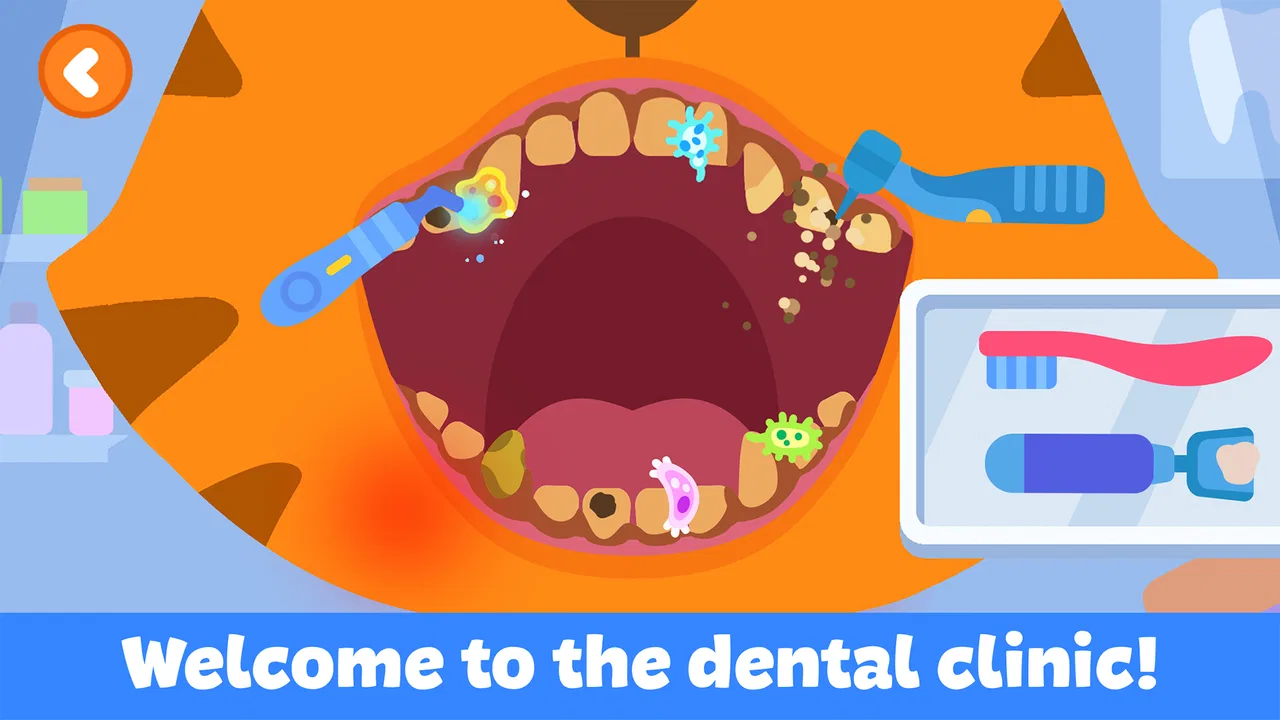
The basic workflow is easy to follow. I select or encounter an animal-care activity, look at the problem presented on screen, and use the available tools or actions in the order the game suggests. The design relies heavily on visual guidance, so a child does not need to read long instructions before knowing what to do. That is important for younger players, because the fun comes from acting on the patient rather than decoding menus.
The dental angle gives the game a little more structure than a general pet-care title. A tooth-related problem naturally creates a sequence: inspect the issue, choose the appropriate action, and finish with a healthier-looking animal. The broader vet setting helps keep that sequence from feeling like the same tap repeated forever. Even when the actions remain simple, changing the animal or treatment context gives the player a reason to continue.
I found the short activity format useful in ordinary family situations. A child can play while waiting for an appointment, during a short trip, or after finishing another task, without needing to commit to a long level. The game is also suitable for a parent who wants to sit beside a child and let the child decide what to tap. Because the interface communicates through pictures and obvious controls, an adult can explain the idea of caring for a pet without having to teach a complex control scheme.
What the first sessions feel like
During an initial session, I would let the player work through the prompts without rushing. The first goal is not speed; it is learning how the game signals the next action. Once that visual language becomes familiar, the player can concentrate on the animal and the small sense of completion that follows each treatment.
This is where the game works better than many generic tapping activities. The actions are framed as helping a patient, so the child has a simple role to play. That role gives context to the buttons and tools. It is still a casual game, but the veterinary theme makes the sequence feel more purposeful than tapping random objects for points.
At the same time, experienced players should keep expectations realistic. I did not approach it as a true veterinary simulator, and I would not recommend presenting it to a child as a lesson in professional dental care. The procedures are simplified for play, and that is appropriate for the target audience. The value is in recognition, sequencing, and gentle pretend play—not clinical accuracy.
Making the routine smoother
A useful habit is to pause briefly at the beginning of each activity and identify the visual cues before tapping. Children often press everything immediately, but taking a moment to notice the highlighted area can make the sequence easier. It also turns the game into a small observation exercise rather than a race to touch the screen.
Another good routine is to encourage the player to finish one treatment before switching attention to another part of the interface. In simple games, unnecessary taps can be more confusing than helpful. Following the visible order usually keeps the screen understandable and gives the child a clearer sense of progress.
For parents, the most effective approach is to ask questions instead of taking over. Asking which tooth or tool the child notices, or what the animal might need next, adds conversation without changing the game. This makes the title more useful as shared play and helps the child build a repeatable way of reading the screen.
Settings and family checks worth making
Before handing over the device, I would check the phone or tablet’s purchase protections. The game is free to start, but optional items cost between $1.99 and $12.99 each. That is the main practical point families should handle in advance. A child may understand the game perfectly and still tap a purchase option out of curiosity, so device-level approval settings are more important here than any gameplay tip.
I would also check the device’s sound level and notification behavior. A child-focused game is easier to enjoy when the volume is comfortable and unrelated alerts do not interrupt the activity. These are not special in-game tricks; they are simple preparation steps that make short sessions calmer and reduce accidental distractions.
The minimum operating-system requirement is Android 6.0, so compatibility should be straightforward on many older Android devices. Still, I would install it on the device the child will actually use rather than assuming that every tablet will feel equally comfortable. Screen size, touch responsiveness, and available storage can affect how easy it is for small hands to follow the visual prompts.
The Everyone content rating also makes the game easier to consider for a shared family device. That rating does not replace supervision, especially where purchases are involved, but it matches the gentle presentation I experienced. I see it as a better fit for supervised independent play than for completely unrestricted use.
Small habits that make repeat play better
The most effective repeatable pattern is to treat each visit as a short care session. Start with one patient, follow the visible order, complete the treatment, and stop when attention begins to drift. This works better than leaving a young child to tap through the same screens indefinitely, because the game’s strength is its compact activity loop rather than endless progression.
I also recommend alternating between child-led play and shared play. In one session, let the child choose the actions without help. In another, ask the child to explain what each step is doing. The second approach reveals whether the player is actually following the sequence or simply copying highlighted areas. That distinction matters if the game is being used as a gentle learning conversation rather than only as entertainment.
If the child becomes frustrated, I would avoid turning the activity into a test. The game is designed to be approachable, so the adult can point out the next visual cue and then hand control back. This keeps the experience encouraging without pretending that every screen requires skillful mastery.
Where it has more value than a generic animal game
Compared with a basic pet simulator, this game gives the child a clearer job. The player is not only feeding or dressing an animal; the player is helping with a problem and seeing the result. That treatment structure can be more satisfying for children who like tools, routines, and before-and-after changes.
Compared with a larger adventure game, it is much less demanding. There is no need to remember a complicated map or manage several objectives at once. That makes it suitable for younger children or for a quick break, but it also means older players may run out of novelty sooner. The trade-off is straightforward: less complexity in exchange for faster access to the main activity.
It also differs from educational dental apps that focus on brushing lessons or factual explanations. Here, the emphasis is pretend veterinary care. If the goal is to teach a precise brushing technique, another type of app would be more appropriate. If the goal is to let a child play doctor with animal patients, this theme is a better match.
Limitations that become clearer over time
The same simplicity that makes the game accessible can reduce its long-term challenge. Once a player understands the visual rhythm, there may be little reason to replay an activity for mastery in the traditional gaming sense. I would expect the strongest appeal during short sessions, especially when the child enjoys the animal theme more than competition or progression.
The game may also feel too guided for children who want to experiment. When the interface points toward the next action, there is less room for discovering an unusual solution or making meaningful treatment choices. That is not a flaw for a preschool-style experience, but it is a limitation for players who want open-ended veterinary play.
Parents should also consider the optional purchase structure before deciding whether the game belongs on a child’s device. The free entry point is convenient, but a family that wants a completely purchase-free environment should secure the device first or choose a title without optional paid items. I would not leave that decision to chance.
Who should play it and who should skip it
I would recommend it to children who enjoy animals, pretend doctor games, and clear tap-by-tap activities. It is especially suitable for a child who gets overwhelmed by complicated adventure controls but still wants a game with a small sense of purpose. It can also work well as a shared activity between an adult and a child, because the veterinary theme naturally invites questions and conversation.
I would be more cautious about recommending it to older children who want detailed stories, character development, difficult puzzles, or competitive goals. The game’s adventure label should not be interpreted as a promise of exploration on the scale of a traditional adventure game. Its journey happens through a series of animal-care tasks, and that will either feel pleasantly focused or too limited depending on the player.
I would also skip it if the main goal is realistic medical education. The playful treatment flow is useful for role-play, but it should not replace guidance from a dentist, veterinarian, parent, or teacher. Its best use is as an imaginative introduction to caring for animals, not as a source of professional instruction.
My verdict after settling into the routine
The game has found a sensible niche: a gentle animal-care adventure for children who like immediate actions and visible results. Its strongest feature is not complexity but clarity. I can hand it to a young player and expect the main idea to make sense quickly, while still having enough veterinary flavor to support a short conversation about helping pets.
The audience response is encouraging, with an average rating of 4.0 from over 900 ratings, and the game has passed 500K installs. Those figures fit my impression of a title that appeals to a defined family audience rather than trying to serve every kind of player. They are not a reason to install it by themselves, but they suggest that the basic concept is connecting with many users.
My final recommendation is to try it when you want a free, approachable animal game for short supervised sessions. Prepare the device’s purchase controls, let the child learn the visual sequence, and use the treatment activities as a starting point for conversation rather than expecting a deep simulation. The right way to enjoy this game is to value its calm, repeatable care routine instead of asking it to be a full veterinary adventure.
For that specific purpose, I think it is worth a look. It is friendly, easy to begin, and focused enough for younger players. Just keep its limits in mind: the guided actions may not satisfy experienced gamers, and the optional purchases deserve adult attention. If those trade-offs suit your household, Vet & Dentist Games for Kids offers a pleasant way to turn a few spare minutes into playful animal care.
FAQs for Vet & Dentist Games for Kids
01What age group is Vet & Dentist Games for Kids suitable for?
Vet & Dentist Games for Kids is designed for children aged 4 to 10 years. The app offers an engaging and educational experience that helps children learn about pet care and dental hygiene in a fun and interactive way. The colorful graphics and simple interface are perfect for young users.
02Is Vet & Dentist Games for Kids safe for children?
Yes, the app is designed with child safety in mind. It contains no in-app purchases or third-party ads, ensuring a secure environment for kids. Parental controls may also be available to monitor usage and ensure that children are engaging with the app in a safe manner.
03What educational benefits does Vet & Dentist Games for Kids offer?
The app provides educational benefits by teaching kids about animal care and oral hygiene. Through various mini-games, children can learn the importance of brushing teeth, caring for pets, and overall health practices. This interactive approach encourages learning through play, making education enjoyable.
04Does Vet & Dentist Games for Kids require an internet connection?
No, the app is designed to be used offline. This means children can enjoy playing and learning without needing an internet connection, making it perfect for travel or situations where Wi-Fi is unavailable. However, initial download and updates may require internet access.
05Can multiple children use the same app account?
Yes, multiple children can use the same app, but progress and settings are generally not personalized per user. Each child can enjoy the games independently, though individual experiences may vary. Parents may wish to supervise to ensure each child gets the most out of the educational content.
Pros
- Engaging and educational gameplay.
- Simple controls for young children.
- Colorful and appealing graphics.
- Teaches empathy and care for animals.
- Variety of animals and scenarios.
Cons
- Limited content may become repetitive.
- In-app purchases can be costly.
- Ads interrupt play sessions.
- Requires internet for some features.
- Lacks parental controls.

Vet & Dentist Games for Kids
Gallery